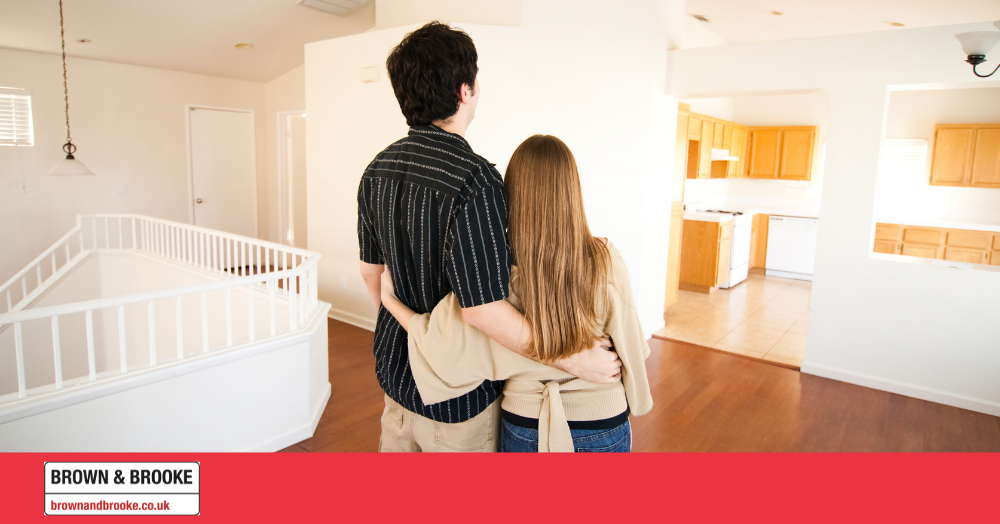
Your First Sale: A Guide to Selling Your Home For the First Time
Selling your home for the first time can feel overwhelming – but with the right guidance, it can be a smooth and successful journey. This guide from your local estate agent is here to demystify the process and help you move forward with confidence.
1. Understanding the Property Market
Before listing your home, it’s essential to understand the current market landscape. Is it a buyer’s market, a seller’s market, or somewhere in between? This affects your pricing strategy and how quickly your home might sell.
Your estate agent will conduct a comprehensive market appraisal, taking into account local trends, comparable sales, demand levels, and economic conditions. This insight goes beyond bricks and mortar – it’s about understanding the dynamics of your local area.

2. Choosing the Right Estate Agent
One of the most important decisions you’ll make is selecting the right estate agent. Look for an agent with a strong presence in your area, great client reviews, and a solid track record.
While fees matter, also consider their marketing approach, communication style, and negotiation skills. We pride ourselves on a transparent, proactive approach – always focused on securing the best outcome for our clients.
3. Preparing Your Home for Sale
First impressions are everything. Before viewings begin, invest time in preparing your property:
- Declutter and deep clean
- Complete any minor repairs
- Create a welcoming, neutral space
- Tidy outdoor areas
- Staging your home – with light, neutral decor and inviting touches – helps buyers imagine themselves living there, which can make all the difference.
4. Setting the Right Asking Price
Pricing your home correctly is key. Set it too high, and you risk putting off potential buyers. Too low, and you may leave money on the table.
Your estate agent will guide you with a realistic valuation based on recent comparable sales and market expertise. Together, you’ll decide on a pricing strategy that attracts serious interest and encourages competitive offers.
5. Marketing That Makes an Impact
With your home ready to show, the next step is marketing it effectively. This includes:
- Professional photography
- Engaging property descriptions
- Listings on major portals like Rightmove and Zoopla
- Social media promotion and local advertising
- Strong visuals and strategic marketing ensure your property stands out in a crowded market.
6. Managing Viewings and Offers
Your estate agent will handle viewings, showcasing your home’s best features to prospective buyers. When offers start coming in, they’ll be carefully qualified to ensure buyers are both serious and financially ready.
We’ll negotiate on your behalf to secure the best possible deal, supporting you at every stage.
7. Navigating the Legal Process (Conveyancing)
Once you accept an offer, the legal process – known as conveyancing – begins. You’ll need a solicitor or licensed conveyancer to manage:
- Property searches
- Drafting and reviewing contracts
- Communication with the buyer’s solicitor
This stage can sometimes take time, but your estate agent will keep things moving and help resolve any issues that arise.
8. Exchanging Contracts and Completion
Exchange of contracts is the point where the sale becomes legally binding. A completion date is agreed, and on that day, the remaining funds are transferred and the keys handed over.
We’ll guide you through these final steps to ensure everything runs smoothly – and just like that, you’ve sold your first home!
Final Thoughts
Selling your first home doesn’t have to be stressful. With the right support, expert advice, and clear communication, you can move forward with confidence.
We’re here to make your first sale a positive, rewarding experience.
For more information or to get started, visit our website or call us on 020 8858 0200