Why Curb Appeal Matters: Enhancing Your Home's First Impression for a Successful Sale
Discover the significance of curb appeal when selling your property in the UK. Learn how to enhance your property's exterior allure.
When it comes to capturing the attention of prospective buyers, one of the key elements that can make or break a sale is curb appeal. But what exactly is it and why is it so important?
Curb appeal refers to the attractiveness of a property's exterior when viewed from the street. It encompasses everything from the condition of the front garden, driveway, and exterior walls to the overall aesthetics of the house. The concept is simple yet powerful – a property with high curb appeal is more likely to entice potential buyers and leave a positive first impression.
First impressions are crucial in the world of sales. It only takes a few seconds for a buyer to form an opinion about a property, and the exterior is the first thing they see. A well-maintained and visually appealing exterior can create a sense of intrigue and draw people in to explore further. On the other hand, a neglected or unattractive facade may deter buyers before they even step foot inside.
So, how can you enhance your property’s charm to attract more interest? Here are some tips to help you make a lasting impression:
Landscaping
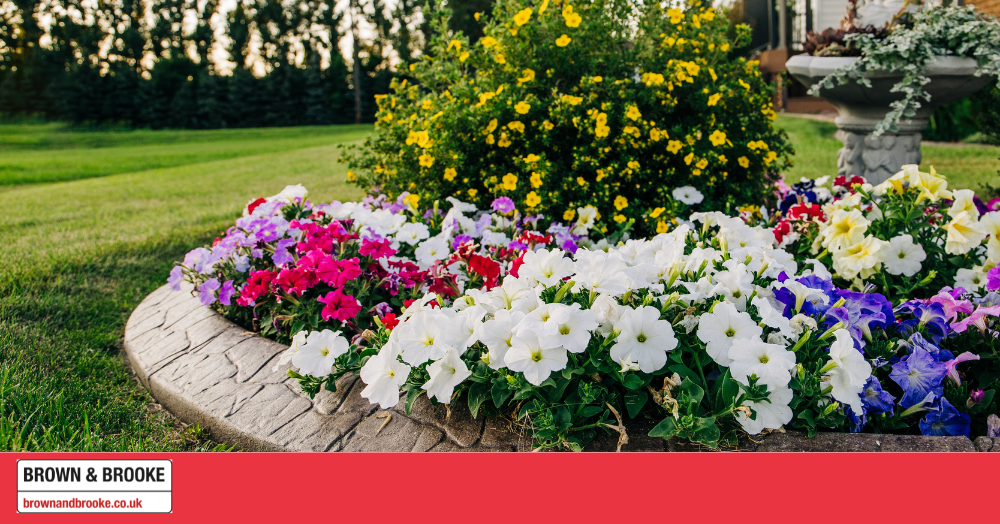
Keep your front garden tidy and well-manicured. Plant colourful flowers, mow the lawn, and trim hedges to create a welcoming outdoor space.
Exterior Maintenance
Repair any visible damage to the exterior of your property, such as cracked walls, peeling paint, or loose roof tiles. A well-maintained facade indicates that the rest of the house is also likely in good condition.
Lighting
Install outdoor lighting to illuminate your property's best features, especially during the darker months. This not only enhances security but also adds a touch of elegance to your home.
Front Door
Make your front door the focal point by giving it a fresh coat of paint or investing in a high-quality door. Consider adding decorative elements, such as a stylish knocker or house numbers, to make the entrance more inviting.
Driveway
Ensure your driveway is clean and in good repair. If possible, add some potted plants or decorative features to enhance the visual appeal.
By paying attention to these simple yet effective strategies, you can significantly boost your property’s attractiveness to potential buyers. Remember, a little effort on the exterior can go a long way in making a memorable first impression and ultimately securing a successful sale.
In conclusion, don't underestimate the power of curb appeal when it comes to selling your property. By enhancing the exterior aesthetics of your home, you can create a strong first impression that will capture the interest of buyers and set the stage for a successful sale. Take the time to invest in your property – it's a small effort that can yield significant rewards in the competitive real estate market.