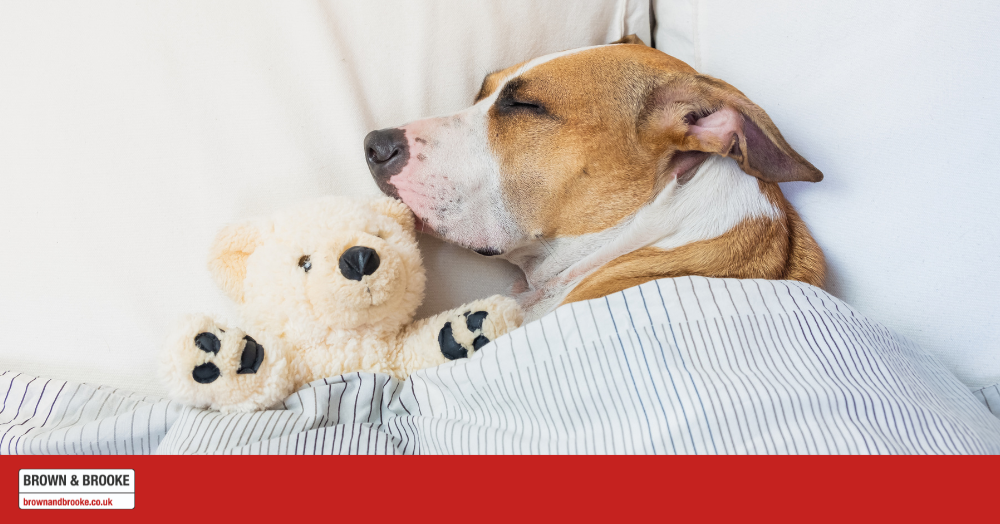
Everything you need to know about moving home with a dog!
Your dream home has been found, the plan is in motion, and within a matter of weeks you will be moving home. It is a time that strains your emotions, and at some point you may feel frustrated and stressed. It is a huge upheaval for you and your family, and it can also take a big toll on the canine members of your family too!
According to figures released by the PDSA, an estimated 10.2 million of us own a dog, with the Kennel Club stating that dog ownership soared by eight per cent during covid. With this is mind, at Brown & Brooke, we want to make the process of moving less stressful for every member of your household, and that includes your little dog too.
Before you move
The last thing you would wish is for your beloved dog to get lost because of not knowing the area around your new home. Therefore, it is essential to update your microchip and collar tag, making sure they have the correct contact details on them.
“We know how heartbreaking it can be when a beloved family pet goes missing. If pets aren’t microchipped, then there is no way of reuniting them with their owner, so it’s vital to update your details when you move house. By law, all dogs and puppies over the age of eight weeks need to be microchipped and need to wear a collar and tag. We recommend you add your mobile number to the tag so you can be easily contacted if your dog is found,” said Becky Thwaites, Head of Public Affairs at national pet charity Blue Cross.
Depending on the distance of your move, you may need to change veterinary practices. It is important to get your pet registered before you move. Why? Pet fees can vary depending on where you live and, thus, can impact on the price of your insurance policy. If your details are not up to date and something happens, you could be in a situation where you find your insurance invalid.
Moving day
A house on moving day can be chaotic: you have boxes and furniture moving in and out of the property and the doors tend to always be open. Therefore, the environment is not safe place for your four-legged pals, which is why the best place for them would be elsewhere. There are many options these day: maybe they can take a holiday to kennels, or spend the day in doggy day care, or even be looked after by a friend or family member.
Transition to new home
Unlike your present home, your new property is full of new smells and unfamiliarity, and, thus, can be a scary place for your dog, resulting in them having accidents that they wouldn’t normally have. One way to help them settle more quickly is to use scent-swapping, as this will help them recognise the new home as their own. If you gently rub your dog’s face with a soft cloth or sponge and then pat it on the sofa and other furniture around your home. You may not be able to smell it … but you know who will.
It isn’t just about swapping scents but introducing familiar ones too. Try to refrain from buying a new bed or toys, and bring their existing belongings, no matter how worn they are. These will bring your dog comfort in what is a very strange situation.
Dogs love a routine, especially one that revolves around eating and sleeping – basically their internal clock is similar to yours. Keeping to the same routine you had in your old property will help them see that some things haven’t changed and, therefore, reduce their anxiety about all the other changes they are having to cope with.
Most of all, just be patient. They will adjust to their new home, but it may take a couple of months; lots of love and support will help them greatly.
Paws to call
If you are looking to move home with your puppy, take a moment to ‘paws’ and give our team a call today on 020 8858 0200.