5 houseplants that will purify the air in your home
Unfortunately, it can be quite common for a house to have poor air quality. Unless a house has great circulation and lots of windows, it can become quite stagnant. People spend around 90% of their time indoors, so air quality is important. See our top houseplants for improving your air!
Furnishings, building materials, cleaning products and upholstery can all emit toxic compounds, and pollen, bacteria, and mould all contribute to indoor air pollution too. The good news is there’s a solution!
Lots of people buy houseplants to decorate their home with, but some plants can actually purify the air too, making them part of what NASA calls “nature’s life support system”. These plants keep the air clean by absorbing particles in a room, taking in carbon dioxide at the same time, and processing it into oxygen through photosynthesis.
Microorganisms from the plant can also be found in the potting soil, and these microbes play a big part in cleaning the air. Research has also found that plants can make people feel better and having them inside may help them to stay alert and reduce mental fatigue.
Here are some houseplants that will look great, while also purifying the air in your home:
English Ivy
The lovely English Ivy was listed by NASA as the best houseplant for filtering air. It is the most effective plant available in terms of absorbing any toxins in the air and will keep the air in your home feeling pure and fresh.
It is very easy to grow and doesn’t need much maintenance. It can also be displayed in a number of different ways, including in a pot on the floor or as a hanging plant.
Peace Lily
If you’re looking for a houseplant that will purify your air, while also producing beautiful flowers, then the Peace Lily is your best choice. It looks beautiful, is easy to look after and can still flourish in cooler temperatures.
It is poisonous to animals though, so if you have any inquisitive pets, you should try and keep it out of their reach.
Snake Plant
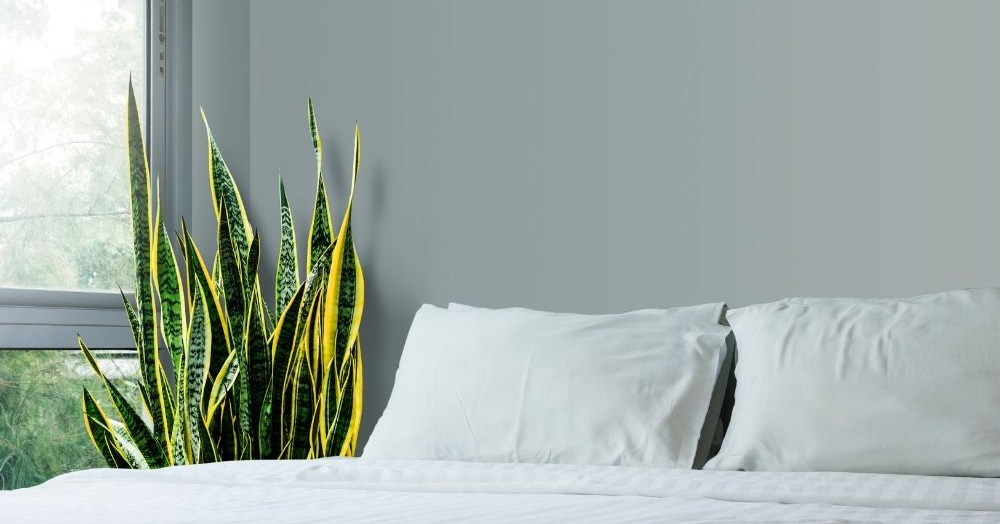
Another popular and low maintenance houseplant you may have come across before is the Snake Plant, also known as the Sansevieria Trifasciata. The snake plant only needs a small amount of light and water and looks great anywhere in the house.
It’s a great air purifier, as it absorbs carbon dioxide and releases oxygen through the night, so it’s great to have in your house alongside a plant that does the same throughout the day.
Aloe Vera
Aloe Vera is commonly known for being a healing property, but that's not where its benefits end. It is very resourceful when it comes to cleaning the air, and even shows you if there are two many bad chemicals in the air, by developing brown spots.
Many people mistakenly think that Aloe Vera is a cactus plant, but it is actually part of the lily family. They are easy to grow and only need a small amount of watering.
Lady Palm
This tall, graceful plant is easy to grow and mainly targets ammonia in the air - ammonia can be found in cleaning products, fabrics and dyes. It can be a while before it develops it’s tree like shape, but once it does it will look great in any room of the house.
Place a Lady Palm near an east-facing window out of direct sunlight, water when the soil is dry, and keep between 16-27 C.